Wullener Feld 48, 58454 Witten +49 2302 956400 This email address is being protected from spambots. You need JavaScript enabled to view it.

Select your language

Banner2000x200

Arc Blow

Arc blow is the one-sided formation of a weld at the stud. To achieve a load-bearing weld structure, arc blow should be avoided in all cases.
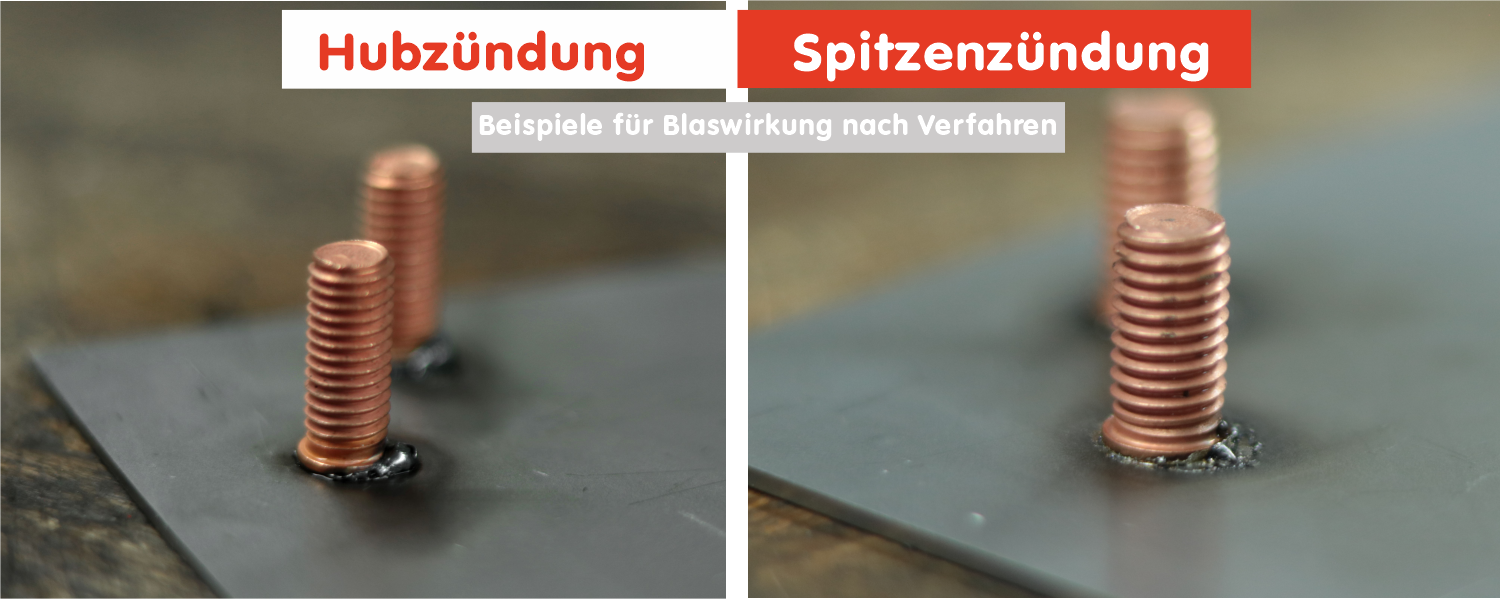
 Arc blow in drawn arc and tip ignition welding

Arc blow is promoted by long welding times and large studs and is caused by various factors

Below you will find the types of arc blow that can occur and how they can generally be avoided. However, this is only intended as a rough overview to avoid grossly negligent welding errors and is in no way a substitute for training in stud welding, which covers the topic in greater depth. On request, we offer such training on stud welding and our products. In a dedicated arc blow training session, we would show you directly on your workpiece how to avoid arc blow as effectively as possible. This allows you to learn in practice how to achieve ideal welding results for your application.

Furthermore, all of our stud welding equipment, and in particular our automation systems and automation components, have been optimised against arc blow through many years of experience and practical testing. 
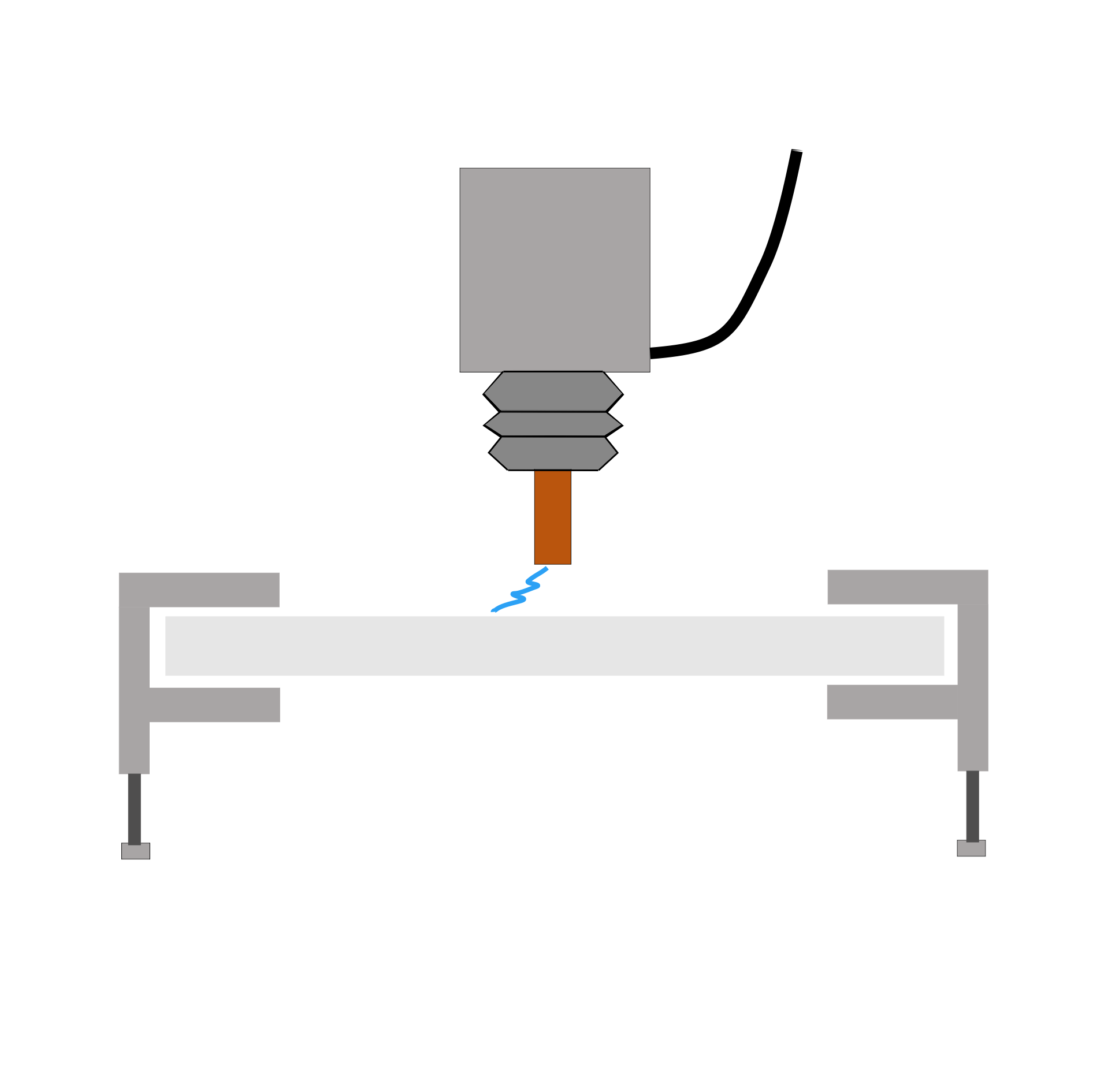
Arc Blow Caused by External Magnetic Fields/Interfering Electric Currents

Arc blow can be caused by external currents or magnetic fields, such as those generated by the welding cable of a gun. With a welding gun, arc blow occurs on the side opposite the cable. Arc blow is avoided by routing the cables appropriately. Power cables are routed in such a way that they can compensate for possible arc blow.

Example: Route the gun cable where there is an excess of material mass (see Mass Distribution of Magnetisable Materials)

Arc blow 6  

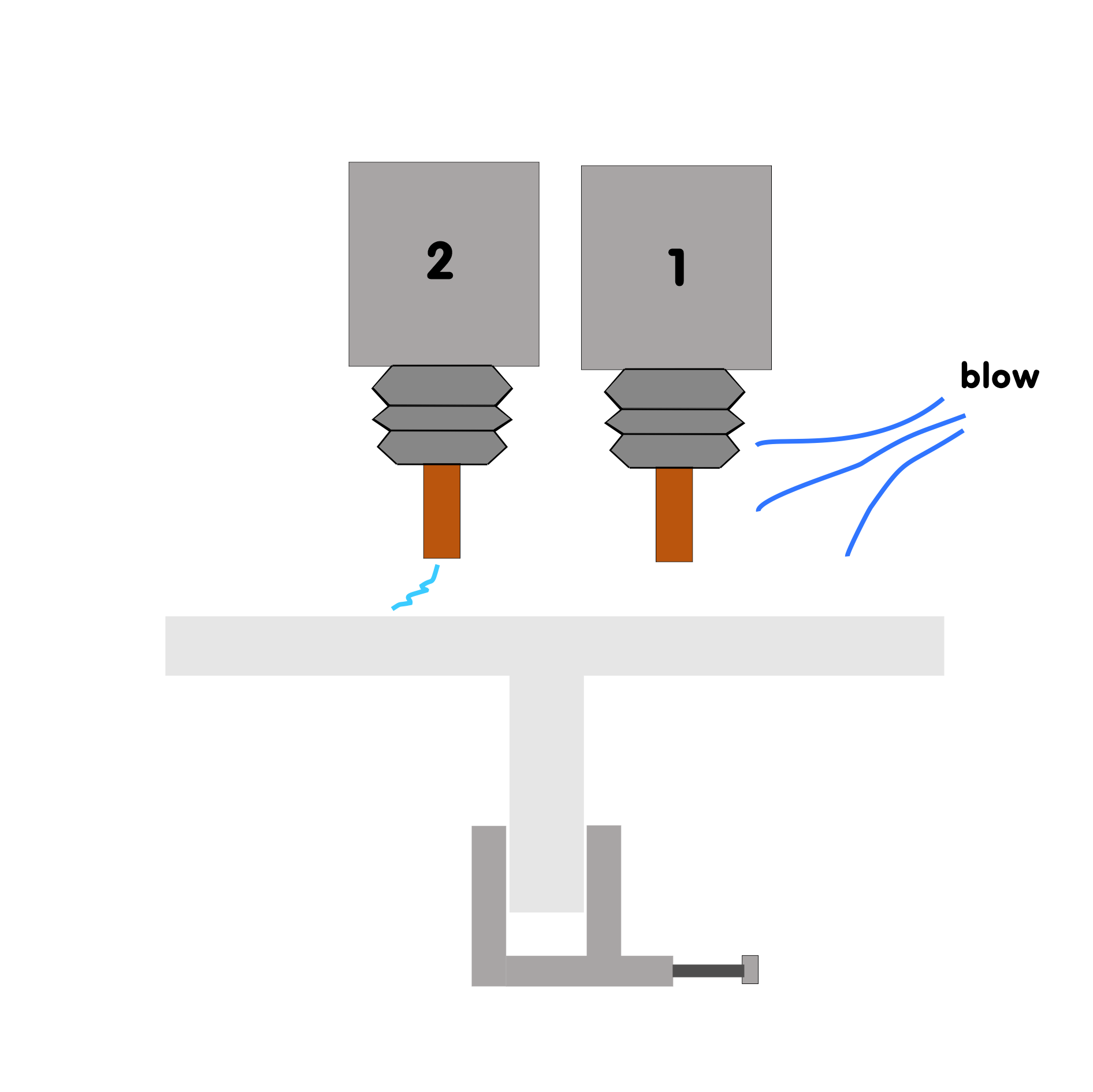
Arc Blow Caused by Air/Gas Flows

Wind or shielding gas flows can cause arc blow in the direction of the flow (2). With extreme flows, the arc can even be blown out (1). Shielding from wind and the use of a suitable shielding gas device, such as that of the AS 2901 or 2902, are therefore essential.

Arc blow 7


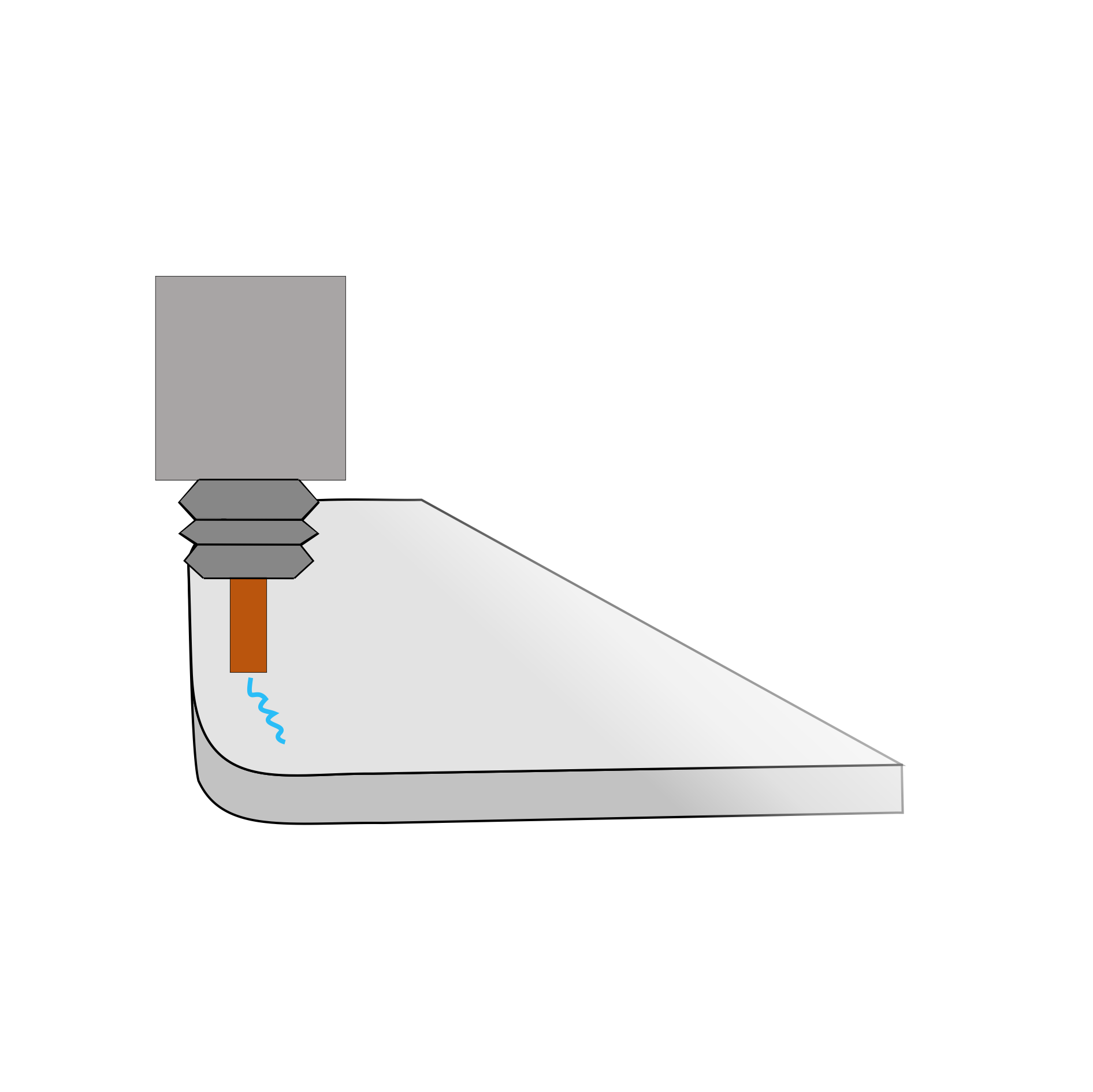
Arc Blow on Round Components

There is also a risk of arc blow at rounded component edges. We will be happy to advise you on solutions, drawing on knowledge of arc blow that we have built up over decades.

Arc blow 9


Mass Distribution of Magnetisable Materials

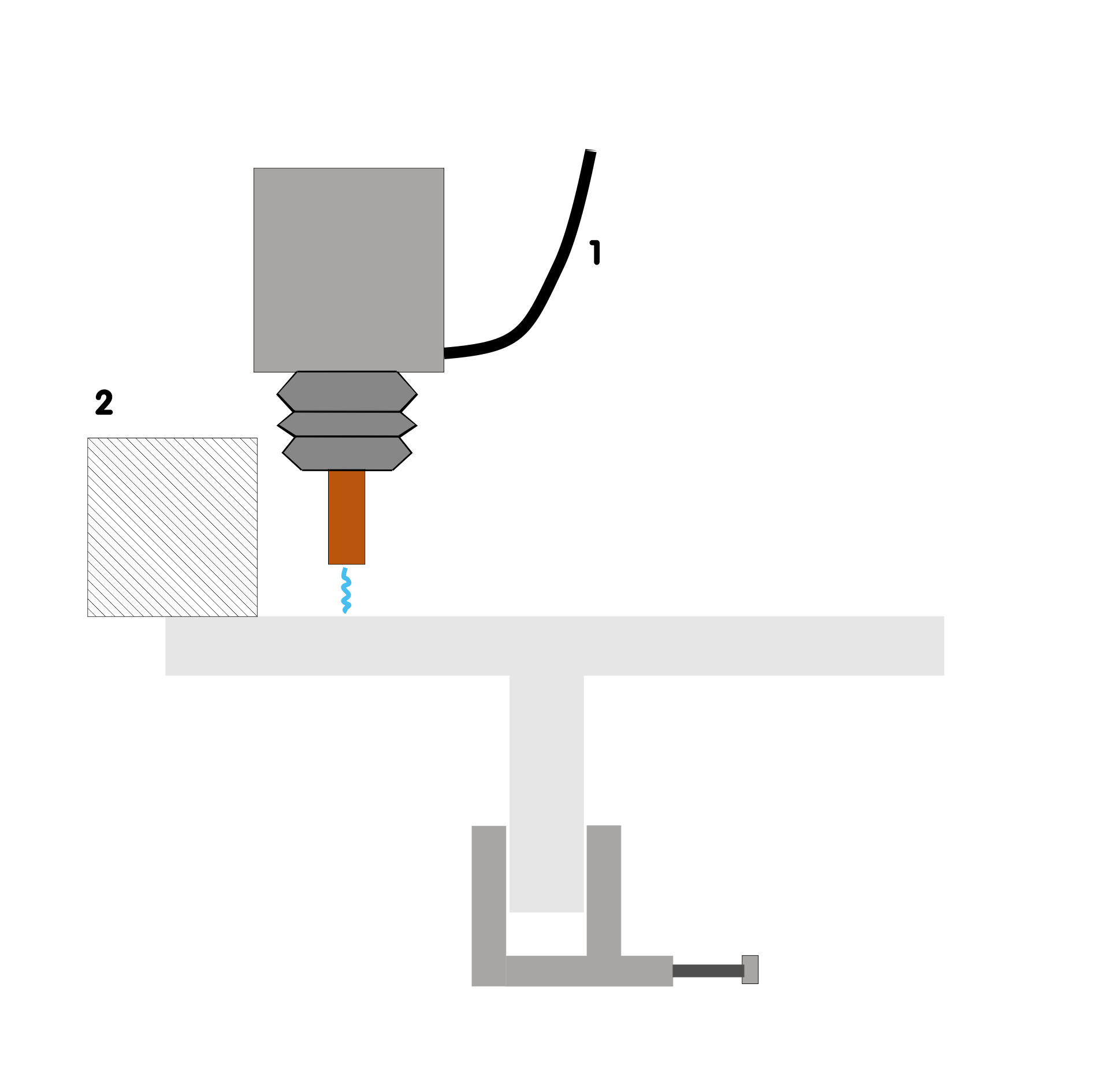
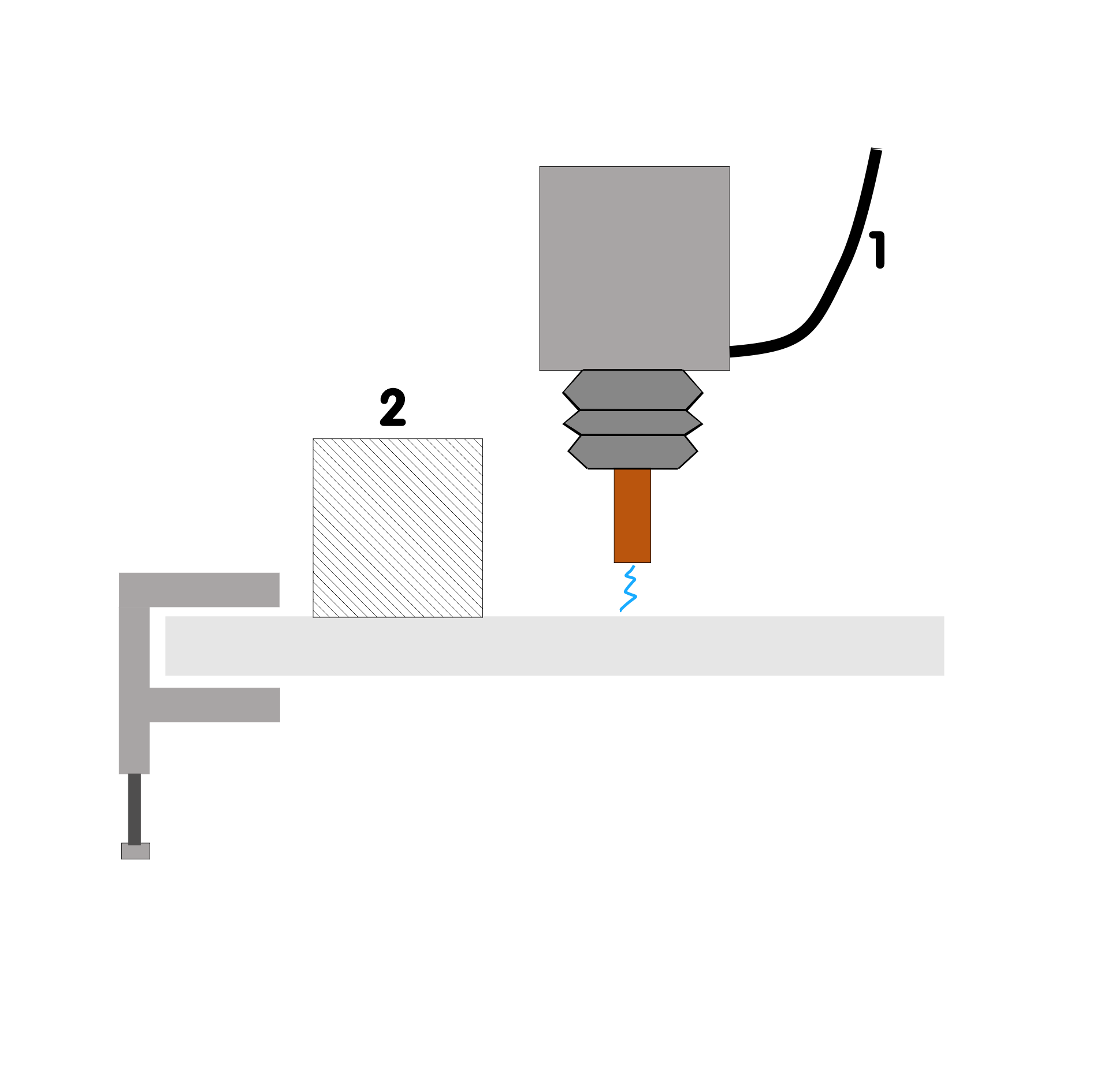
If magnetisable materials are distributed unevenly in the welding area, arc blow occurs in the direction of the excess mass. This effect can be avoided using the concept of compensating mass. Material imbalances can be compensated for by an earth connection on the opposite side. Likewise, arc blow effects caused by a one-sided mass can be compensated for by magnetic material on the other side.

Occurrence:

Arc blow 3Arc blow 4  

Solution:

Arc blow 5Arc blow 8

1) Cable routing on the other side of the excess material

2) Compensating mass on the side opposite the arc blow


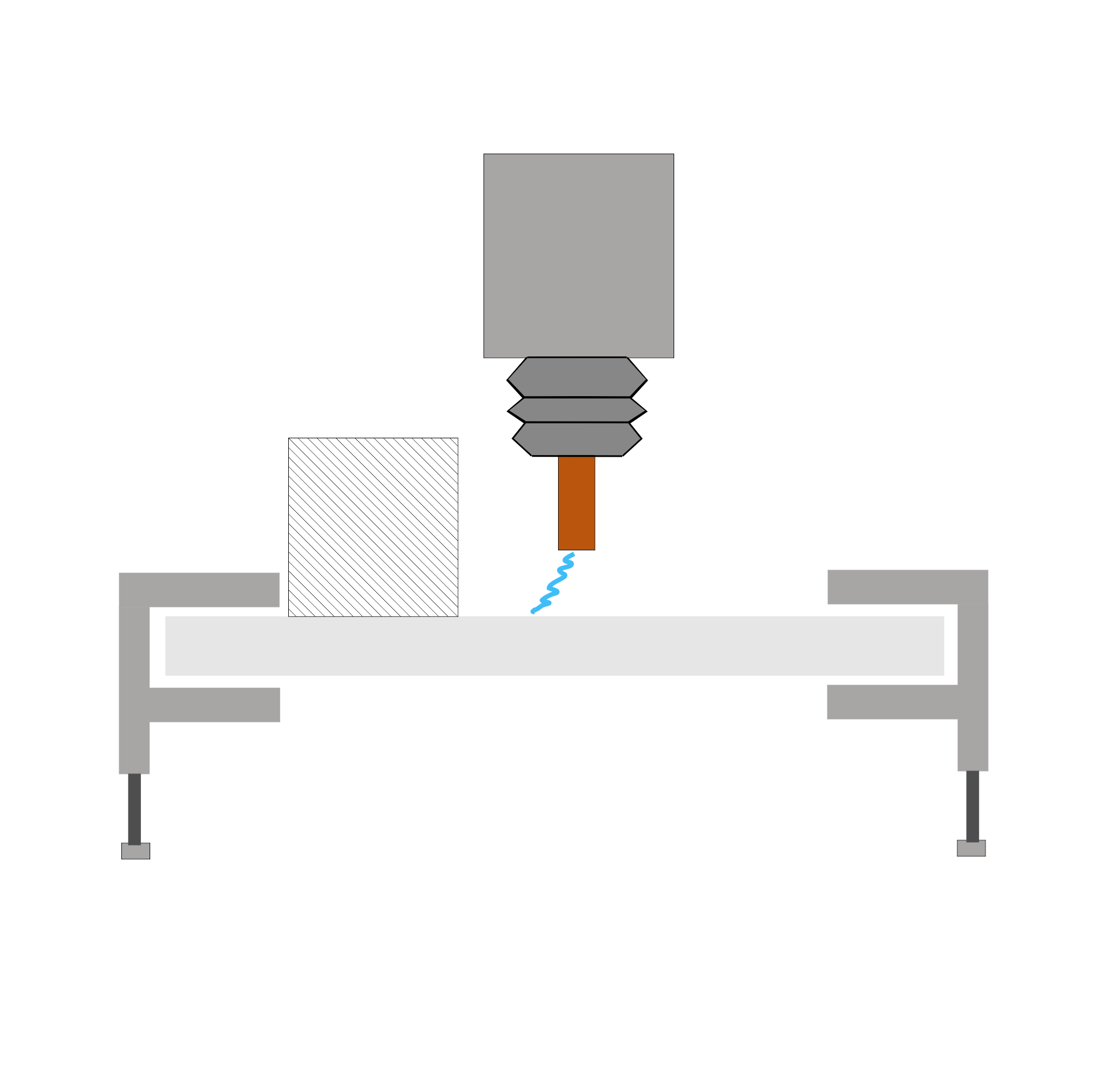
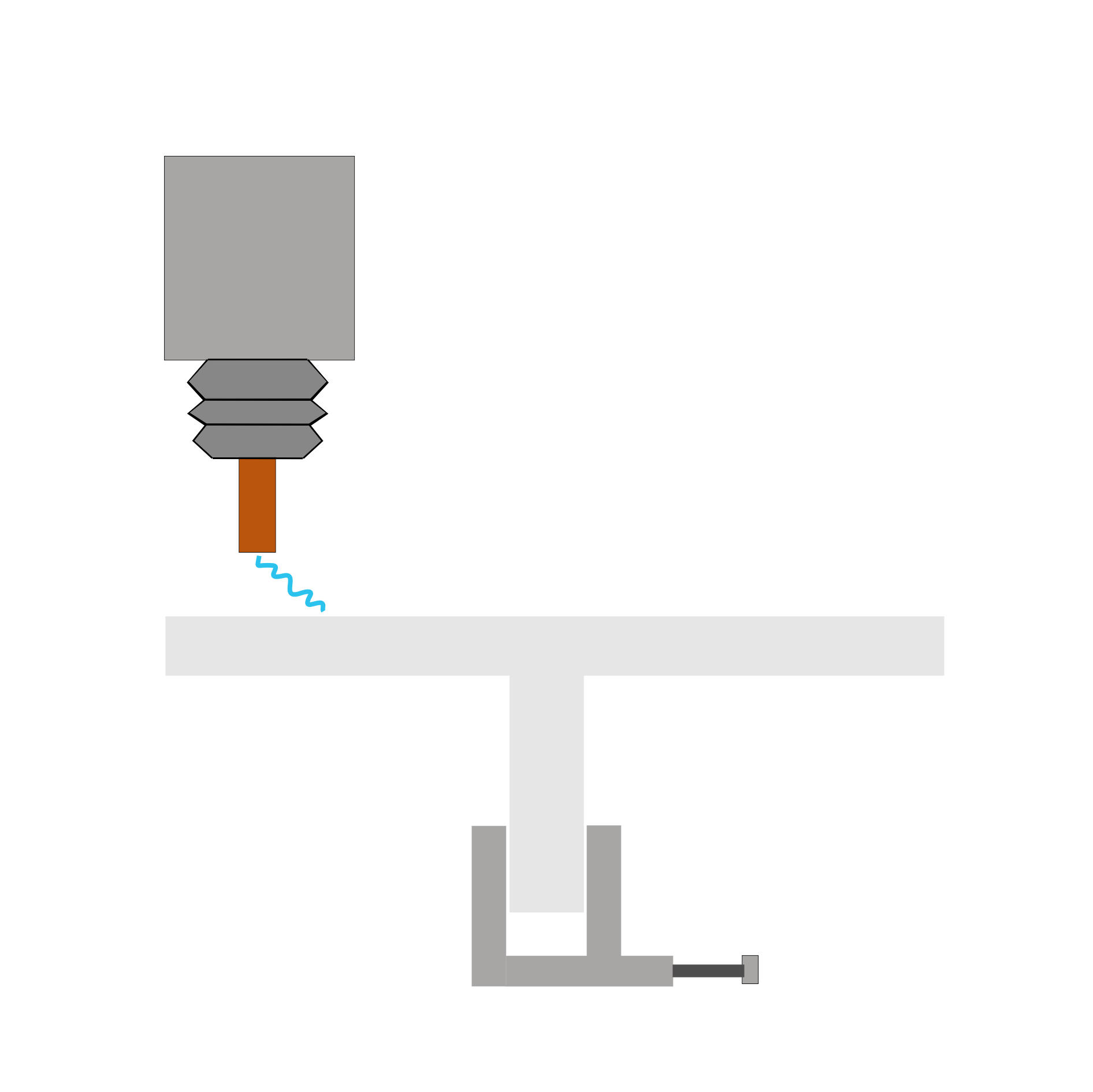
Arc Blow Caused by the Magnetic Field of the Welding Current

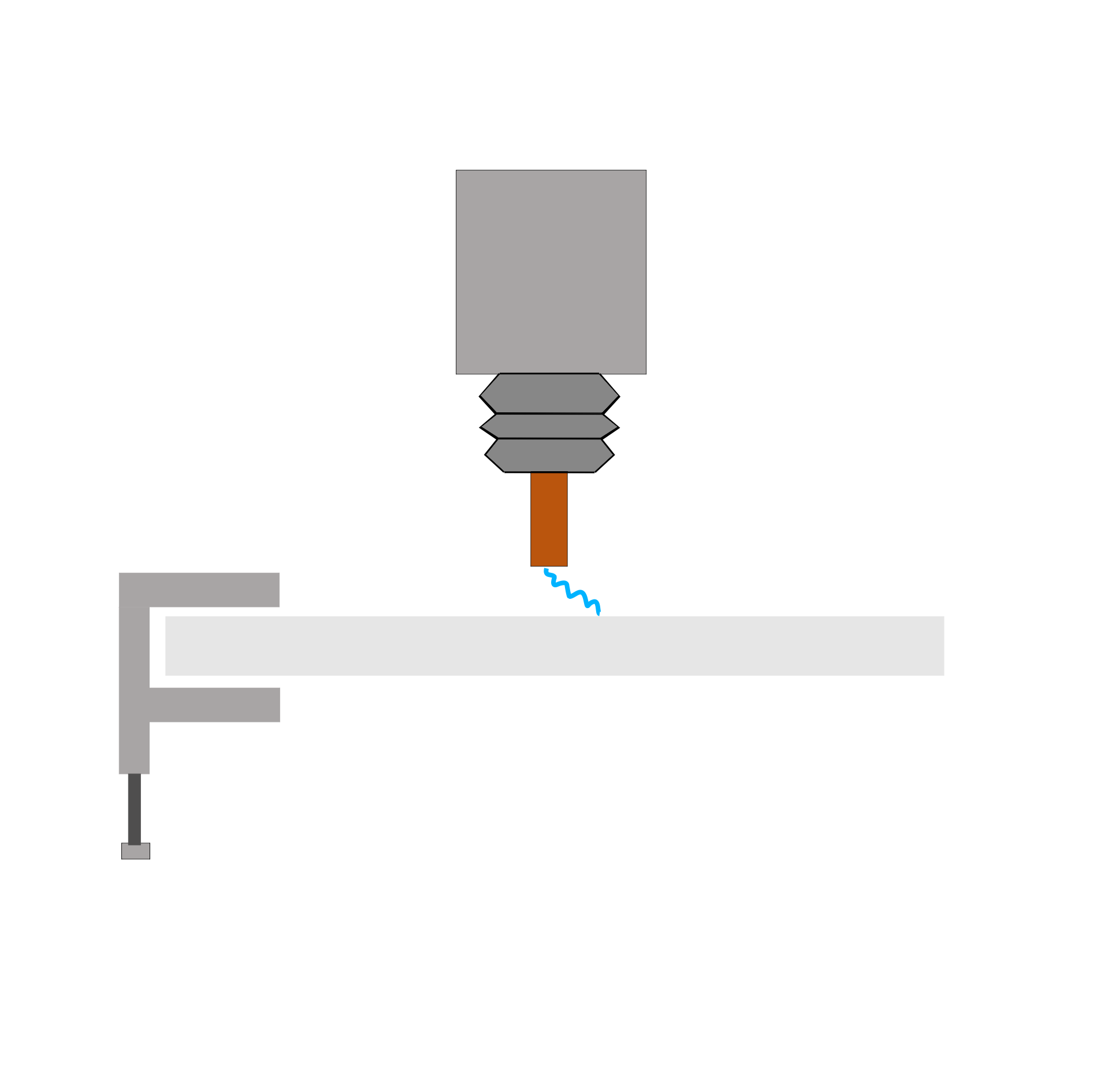
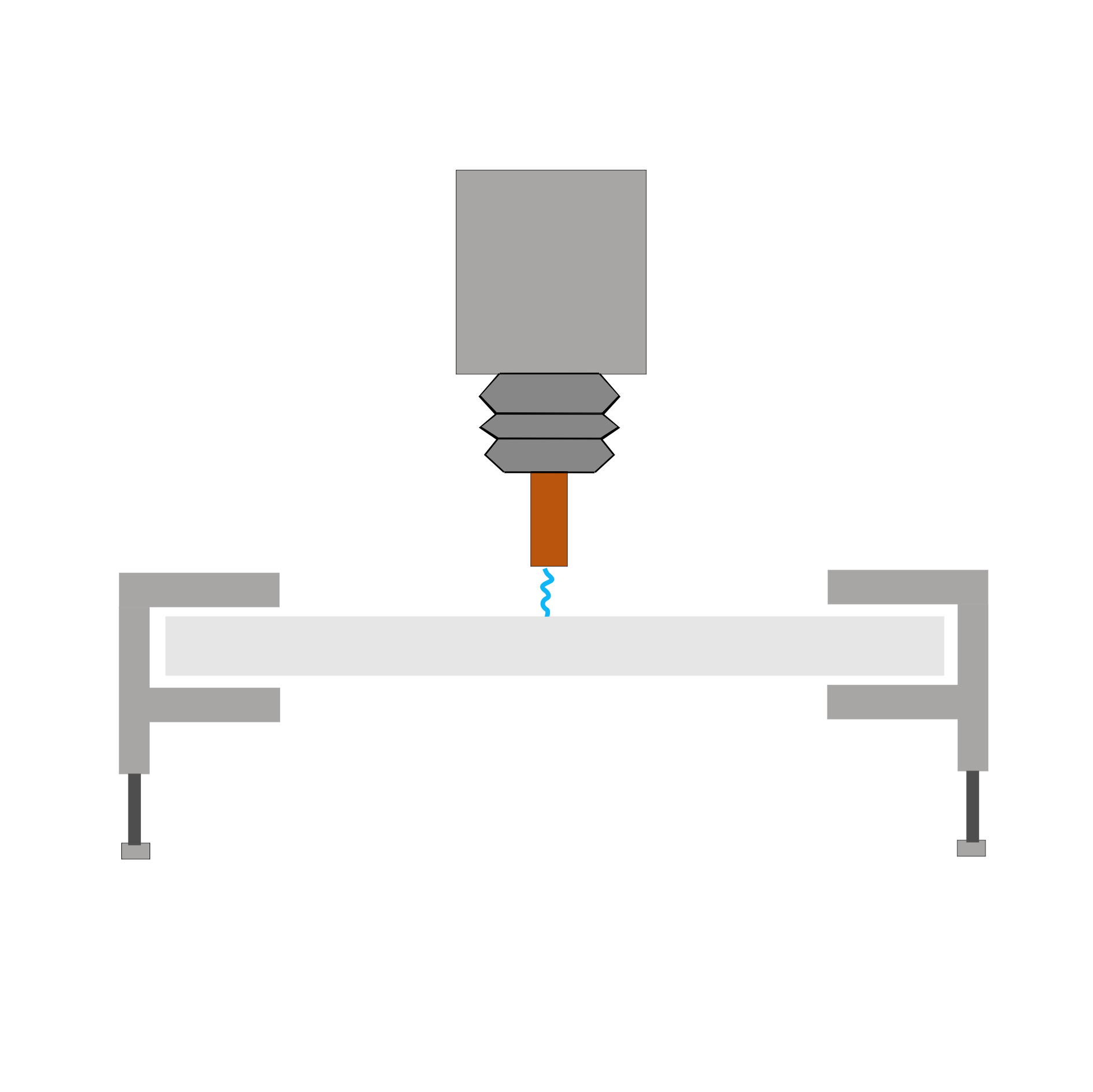
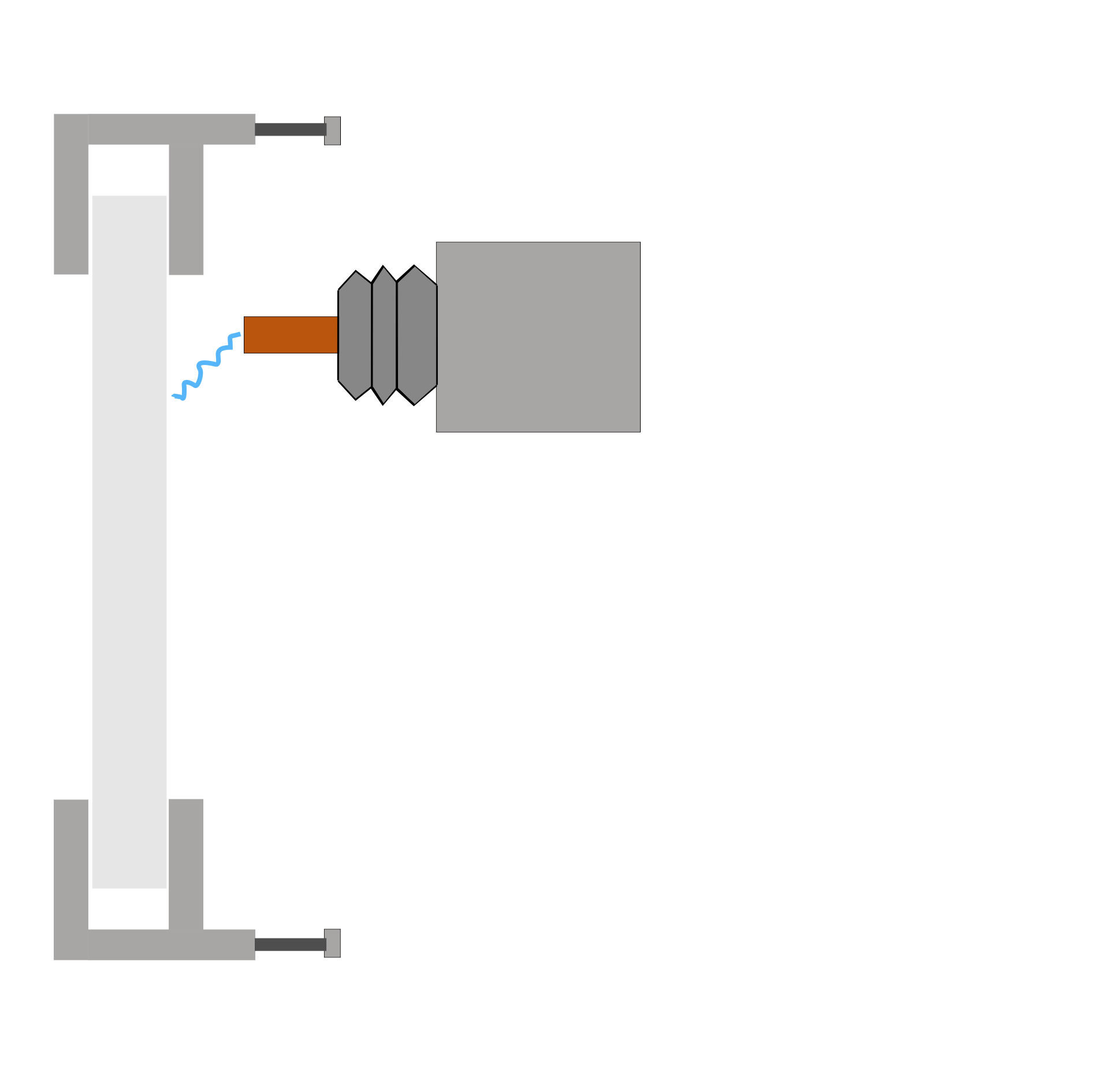
With a one-sided earth connection, the magnetic field of the welding current causes arc blow towards the opposite side. This arc blow effect is avoided by using an earth connection on both sides. In most cases, this prevents arc blow.

Occurrence:

Arc blow 1

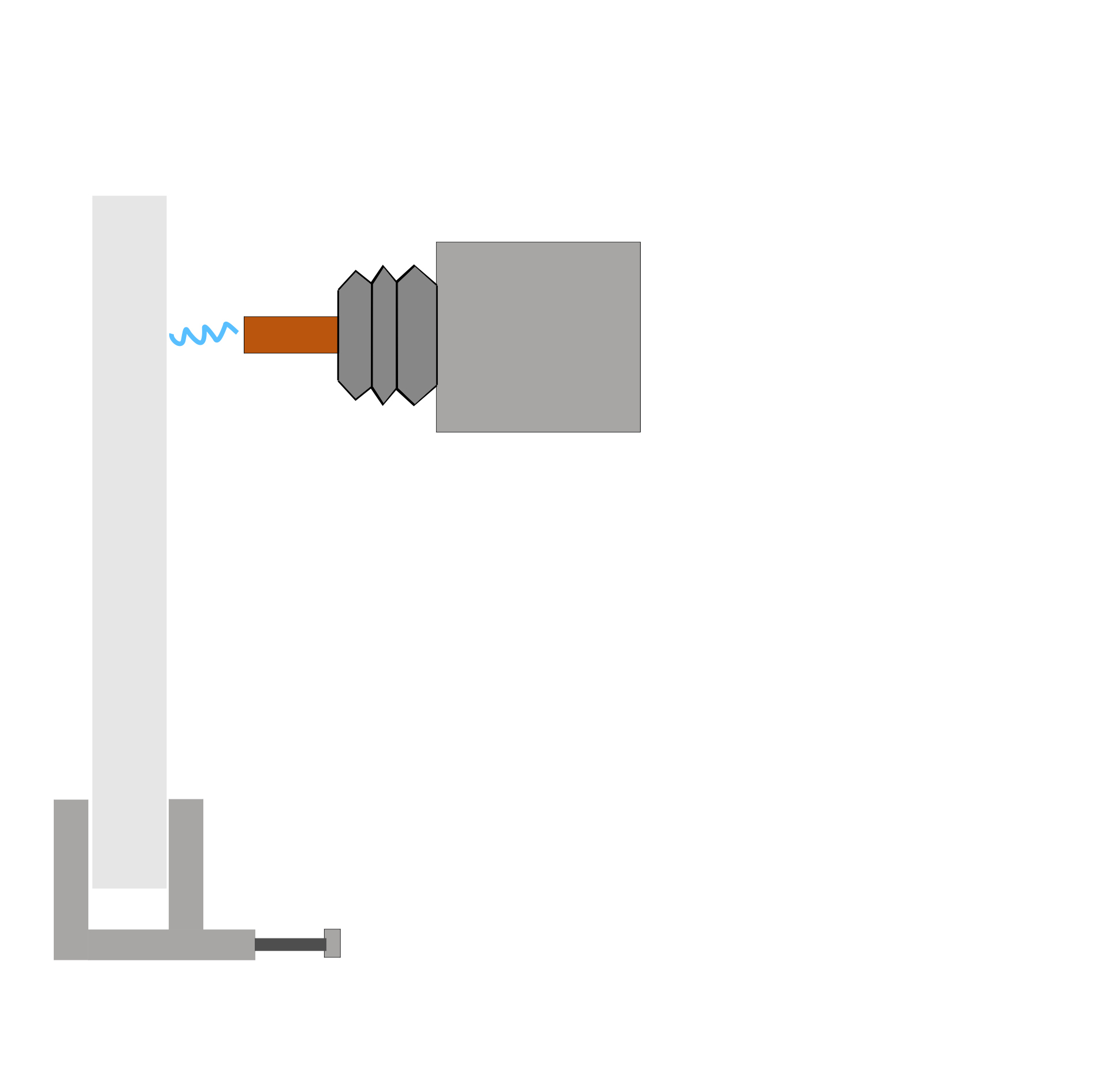
Solution:

Arc blow 2

Arc Blow Caused by Gravity

When welding large studs with long welding times on vertical workpieces, gravity can cause arc blow towards the bottom.

Arc blow 11

Tip: Use the arc blow caused by a one-sided earth connection to compensate for the arc blow caused by gravity.

Arc blow 10